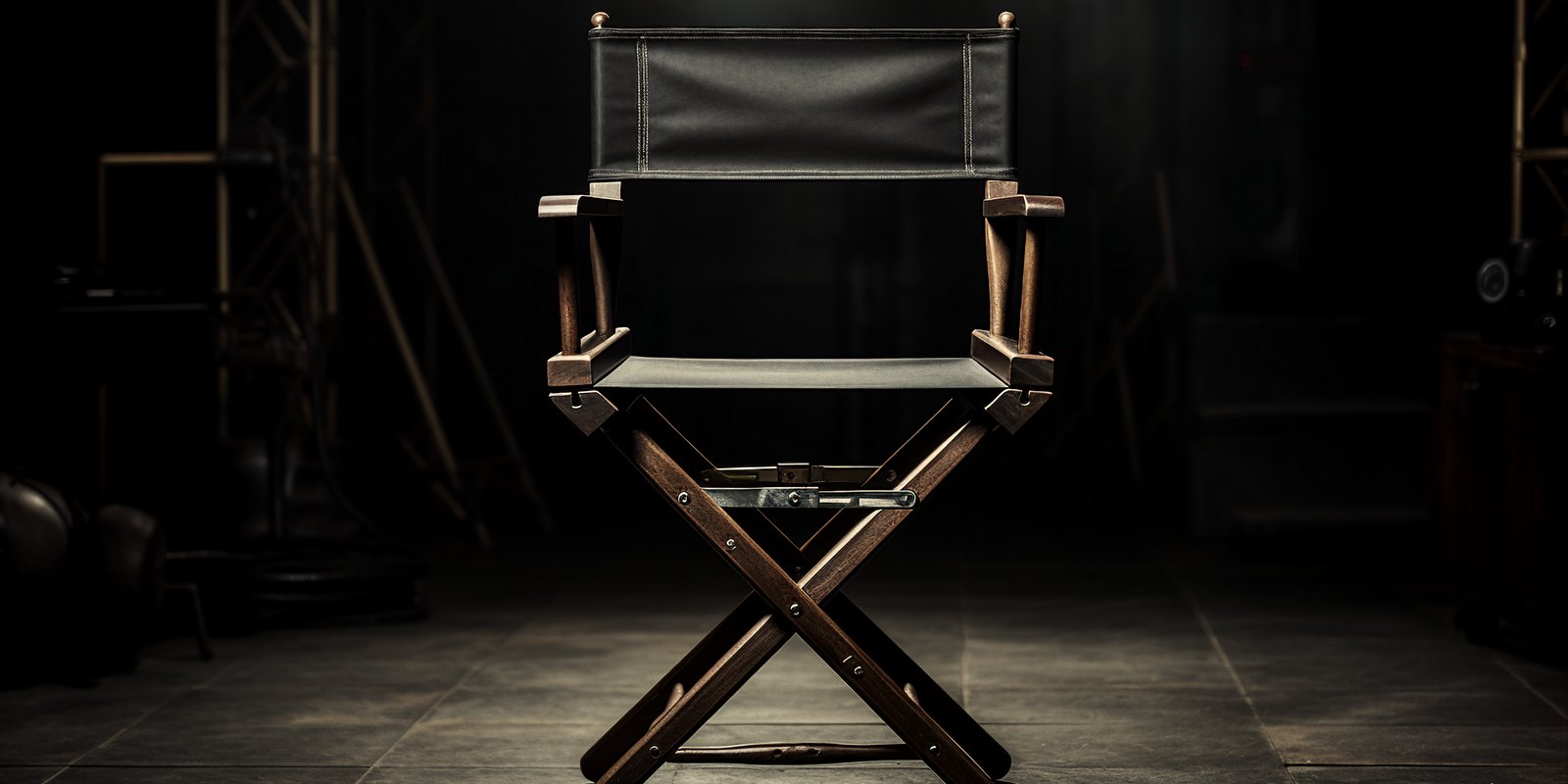
We are entering a new era. An era where imagination and intelligence collide at scale.
AI is not a trend. It's a new creative partner.
The question isn't if it will change our industry. It already has.
Everyone has the tools now. The chair got crowded fast.
Type a sentence, get a campaign. Type another, get ten more. The barrier that used to separate the people who could make things from the people who could only describe them is gone.
Which sounds like the end of the creative director.
It isn't.
The software will hand you a hundred directions. It will not tell you which one is good. That part is still unsubsidized.
AI is a brilliant intern with no taste and no fear. It will generate forever. It will never flinch. It will never tell you the idea is beneath the brand, or that the joke doesn't land, or that the whole thing is technically flawless and completely dead.
That was always the job. Not making every frame. Deciding which frames deserve to exist. Saying no a hundred times so one yes can mean something.
The directors who are panicking were never really directing. They were managing production. The machine does that now, cheaper, and without lunch breaks.
The ones who are thriving figured out the rest.
The tool didn't replace their vision. It removed their excuses.
No more waiting on budget. No more waiting on the edit. No more blaming the timeline. The only thing left between the idea in your head and the work on the screen is whether the idea was any good to begin with.
That is a terrifying amount of accountability. It is also the most creative freedom we have ever been handed.
The machine can generate. It cannot care.
That part is still yours.
What does a creative director do that AI cannot?
Four things, and none of them are making pictures.
The model has no stake in the outcome. It cannot be embarrassed, sued, fired, or remembered. It will produce the ninth version with exactly the same enthusiasm as the first, because enthusiasm was never involved.
Direction is the willingness to be accountable for a choice. Generation is not a choice. It is an inventory.
Does AI make junior creatives obsolete?
No. It makes the old junior job obsolete, which is a different thing, and the industry is about to confuse the two at real cost.
The old junior job was volume. Build the twelve layouts. Cut the six versions. Resize everything for every placement. That work is gone and it is not coming back.
But that work was also the apprenticeship. It is how people learned what a layout does before they learned what a layout means.
So the job has to be rebuilt around judgment from the first week. Put juniors in the room where work gets killed. Make them argue for something and lose. Give them one small thing that genuinely ships and gets measured. That is more work for whoever runs the team. The alternative is a generation of directors who have never had to defend a decision.
How should a creative director actually use these tools?
To be wrong faster, cheaper, and in private.
The value is not the finished frame. It is that you can now find out whether an idea survives contact with a visual before you spend anyone’s money finding out. Ten directions in an afternoon, and nine of them die where nobody has to see them. That used to take a month and a production budget.
What it should never be is the first move. If you type before you know what the work is for, you get a hundred confident answers to a question you never asked.
Use it to eliminate. Not to originate.
How to recognise that judgment when you are the one hiring for it is a different question, and it has its own essay: Taste Is the Last Competitive Advantage.